Weknowwhereeveryingredientcomesfrom.Doyours?
Each chip starts with a farmer, a field, and a grain India has trusted for generations. Here is where ours comes from.
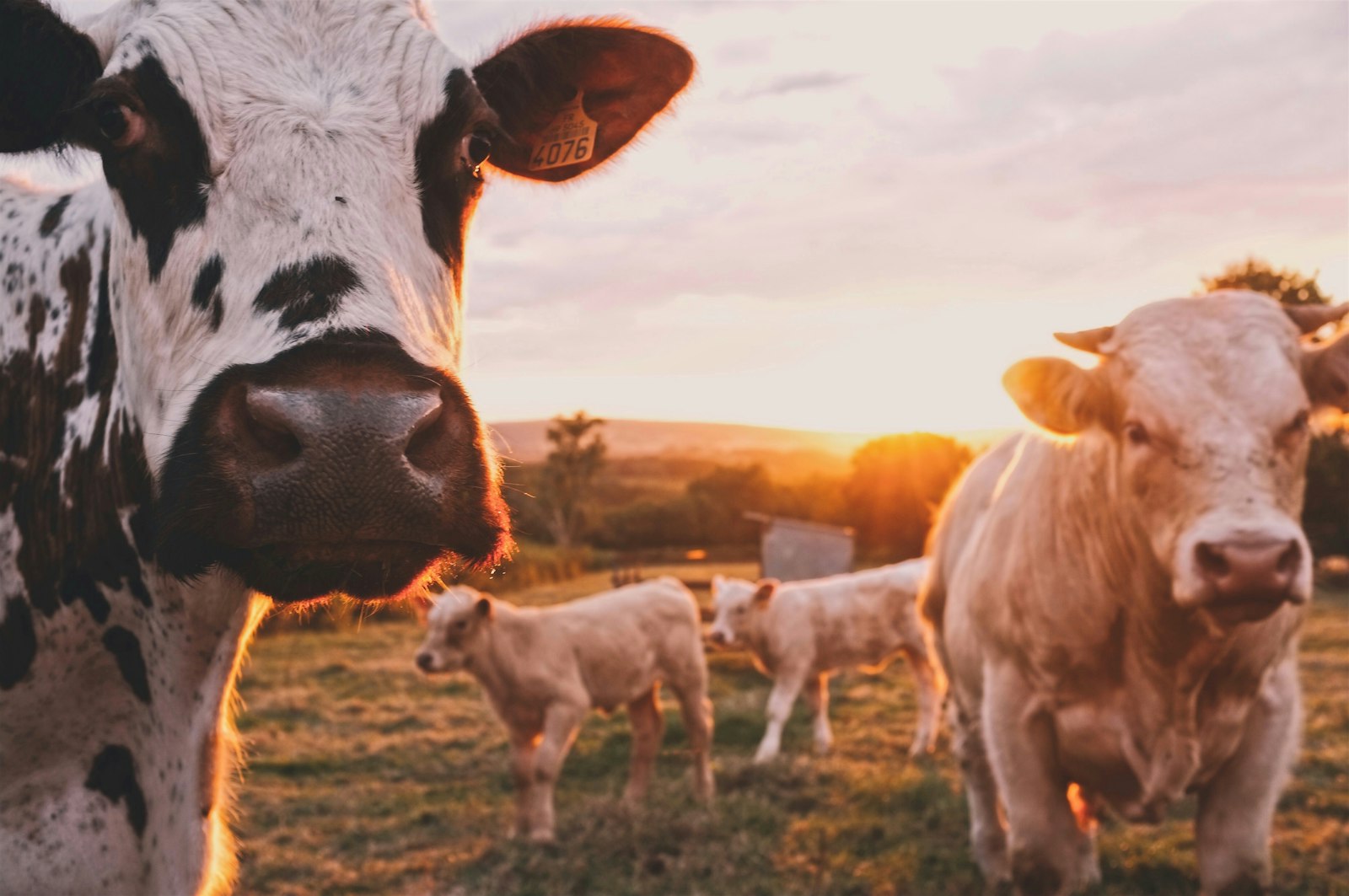
The grain that fed India before we forgot about it.
Ragi has been grown on the Deccan Plateau for over 4,000 years. Our ragi comes from small family farms in Karnataka and Andhra Pradesh, where it is still harvested by hand at the end of the monsoon season. It needs no irrigation, no pesticides, and almost no intervention. It has survived every famine and every food trend. Our farmers have been growing it longer than any of us have been eating chips.
“It grows where nothing else does. That is why we trust it.”

Slow-grown in the foothills. Not fast-processed anywhere else.
Our oats are sourced from farms in the cooler belt of Punjab and Himachal Pradesh, where the shorter growing season forces a slower, denser grain. Unlike commercial oats processed in bulk and stripped of texture, ours are whole-rolled — the entire grain, flattened once, nothing removed. The farmer who grows them has been supplying artisan food producers for twelve years. He does not grow for volume. He grows for quality.
“I could sell to anyone. I choose who understands what slow means.”
4 ingredients. 4 farming families. 4 regions of India.
We know every farm by name. Most chip brands cannot name a single one.
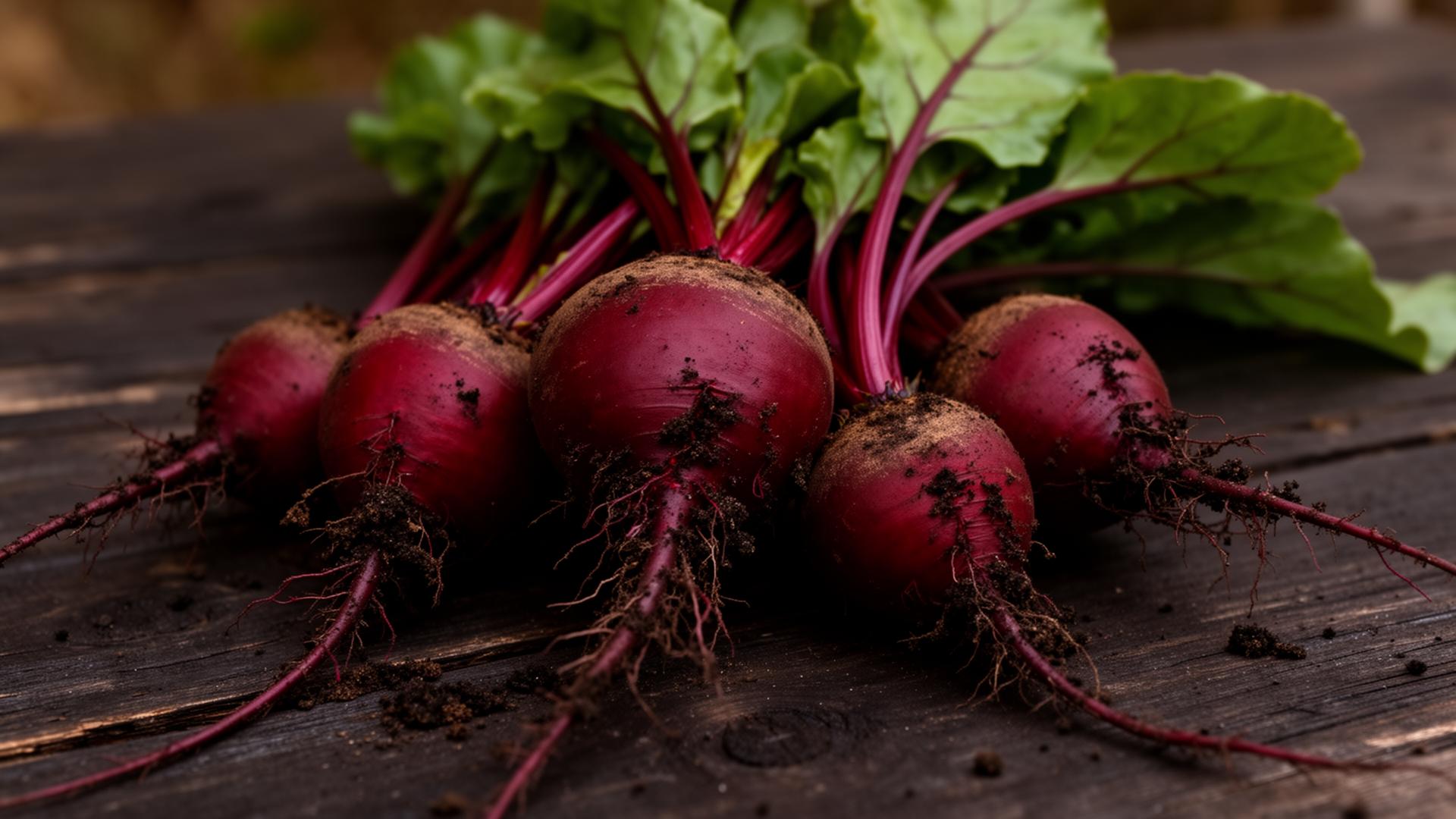
Naturally that colour. Naturally that sweet. Nothing added.
The deep burgundy colour in our Masala Beetroot chips is not colouring. It is the beetroot. Our beets are sourced from farms in Nashik and parts of Gujarat, where the red sandy soil produces some of the most pigment-dense beetroot in the country. Harvested young for sweetness, dried low and slow to preserve the colour and the flavour. Our farmer, Vandana, switched to beetroot from onions six years ago when she saw the artisan food market emerging. She tests every batch by taste before it leaves the farm.
“You will know a good beet the moment you cut it. The colour tells you everything.”

A foreign grain that found a home in Indian soil.
Quinoa is not Indian by origin, but it has taken to certain dry, high-altitude pockets of Rajasthan and Madhya Pradesh remarkably well. Indian quinoa farming is young — barely a decade old — and most of it is done by farmers who were encouraged to experiment by agricultural cooperatives. Our supplier works with a cluster of fifteen smallholder farmers near Jaisalmer who collectively grow and process quinoa without middlemen. It is the most fragile of our four ingredients and the most carefully handled.
“We were told it could not grow here. We grow it here.”
By the numbers.
Now you know where it comes from.
Four honest ingredients. Four Indian farming families. One jar.